

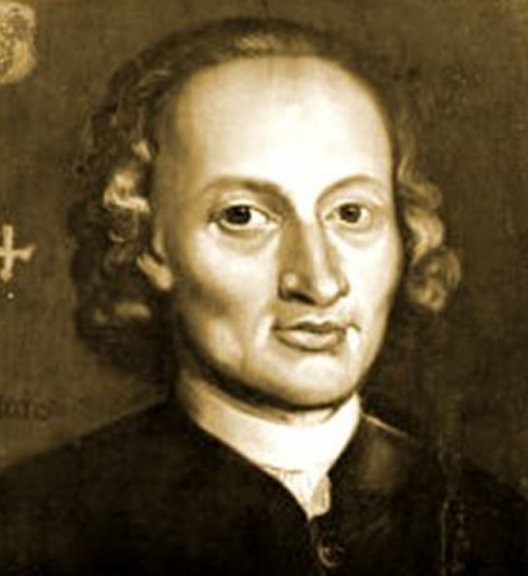
The most famous eight notes in classical music
One gently walking bass line, three violins in graceful pursuit – Pachelbel's Canon in D may be the most instantly soothing piece of music ever written, a fixture of weddings, films and playlists the world over. Yet the man behind it would be astonished by his modern fame: in his own day Johann Pachelbel was celebrated as one of the great organ masters of the baroque, author of more than five hundred works – and a family friend whose teaching helped set the young Johann Sebastian Bach on his path.
The organist who taught Bach's teacher
Born in Nuremberg in 1653, Pachelbel served as deputy organist of St Stephen's Cathedral in Vienna before settling for twelve years in Erfurt, where he became a close friend of the Bach family – godfather to one of the children, and teacher of Johann Christoph Bach, the elder brother who would later raise the orphaned Johann Sebastian and give him his first keyboard lessons. Pachelbel's own life had its dark chapters: he lost his first wife and their infant son to the plague, and poured his grief into a set of pieces titled Musical Thoughts on Death. He ended his career where it began, at Nuremberg's great St Sebaldus church, leaving behind a legacy that shaped German organ music for a generation.
Pachelbel and Prague
Few pieces are requested more often in Prague's baroque churches and halls than the Canon – for many visitors it is the very piece that draws them to their first classical concert. Hearing it live changes it: with real strings resonating under a centuries-old vault, the familiar eight-note bass becomes something far warmer than any recording. And listeners who come for the Canon leave having met the master behind it – the organist whose teaching, passed through the Bach household, echoes in half the baroque music Prague plays every night.