

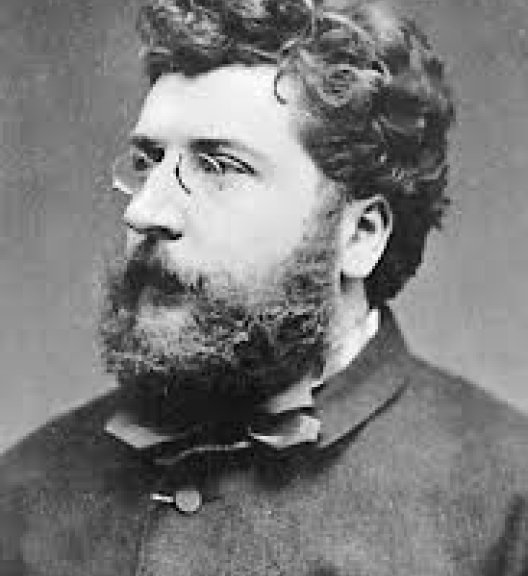
Three months short of immortality
Georges Bizet wrote what may be the most performed opera on the planet – and never knew it. Carmen's Habanera and Toreador Song are hummed by people who have never bought an opera ticket, its heroine is one of the most magnetic characters ever put on a stage, and its tunes have burned themselves into world culture. Yet its creator died believing the whole thing had failed.
A prodigy denied his triumph
Bizet entered the Paris Conservatoire at the age of nine and grew into one of the most gifted musicians of his generation – a pianist admired by Liszt himself and a composer of exquisite craft. Success on the operatic stage, the only success Paris really counted, kept eluding him. Carmen, premiered in March 1875, shocked its first audiences: a cigarette-factory girl who seduces, fights and is murdered in front of the crowd was too much realism for the Opéra-Comique. Exactly three months after the premiere, worn down and convinced he had written a flop, Bizet died of a heart attack at thirty-six. That autumn Vienna embraced Carmen, the world followed within a few seasons, and the failure became the most popular opera ever written.
Bizet and Prague
Here is the joke history played on Bizet: he conjured the most famous portrait of Spain in all of music without ever setting foot in the country – sun-baked Seville existed purely in his imagination. You don't need Spain either: Carmen has been at home on Prague's opera stages for well over a century, and the Habanera and Toreador Song are fixtures of the city's opera-gala evenings. For many visitors, a Carmen aria in a Prague hall is their very first taste of opera – exactly the spark Bizet would have wished.