

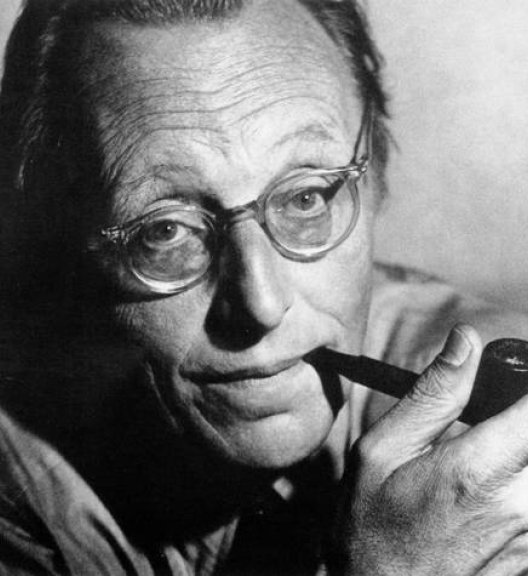
One masterpiece was enough
Even people who have never heard of Carl Orff know his music: the thunderclap of "O Fortuna" that opens and closes Carmina Burana is among the most instantly recognizable minutes of sound ever created. With one work – a pounding, chanting, ecstatic celebration of fate, spring, wine and love – the quiet Munich composer and teacher secured a kind of immortality most composers only dream of.
Medieval songs, modern thunder
In 1934 Orff came across a nineteenth-century edition of a manuscript compiled around 1230 in the Bavarian monastery of Benediktbeuern: hundreds of poems by wandering students and defrocked clerics, singing not of heaven but of taverns, gambling, fleeting love and the merciless wheel of fortune. Electrified, he set twenty-four of them for huge choir, orchestra and soloists. The 1937 premiere in Frankfurt made the forty-one-year-old famous overnight, and he knew at once he had found his voice – everything he wrote afterwards, from the fairy-tale operas Der Mond and Die Kluge to further scenic cantatas, kept the same elemental pulse. He died in his native Munich in 1982, one of the most performed composers of his century.
Orff and Prague
There are few better places to hear Carmina Burana than a city whose streets are as medieval as its verses. The wheel of fortune turns regularly in Prague's concert programmes, and hearing "O Fortuna" swell beneath centuries-old vaults – in spaces built when wandering scholars still roamed Central Europe – gives Orff's medieval poetry a home no modern hall can match. Film fans will recognize it within two bars; by the final chorus, everyone understands why it never left the repertoire.