

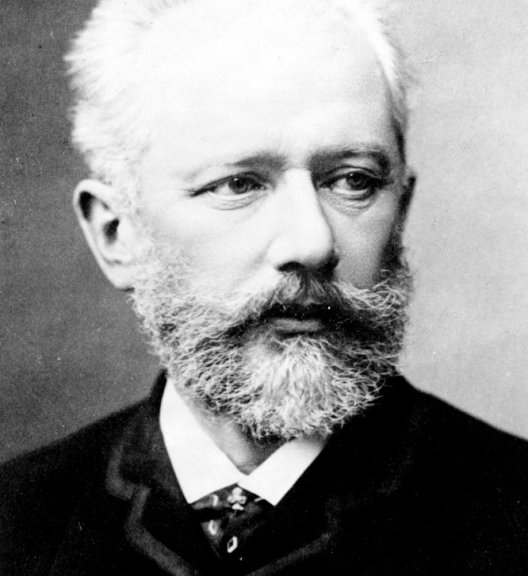
The man behind Swan Lake and The Nutcracker
No composer's melodies are loved by more people than Tchaikovsky's. His three ballets – Swan Lake, The Sleeping Beauty and The Nutcracker – are ballet itself for most of the world, the thundering opening of his First Piano Concerto is instantly recognizable on every continent, and his symphonies turned private heartbreak into music of overwhelming emotional power. Where German composers built cathedrals of counterpoint, Tchaikovsky simply opened his heart – and audiences have never stopped listening.
From law clerk to legend
Nothing about his start suggested greatness: Tchaikovsky trained as a lawyer and spent three years as a clerk in the Russian Ministry of Justice before abandoning his desk for the conservatory at twenty-two. The gamble was slow to pay off – early works were savaged by critics – but by his fifties he was the most famous composer alive, freed to compose by a wealthy patroness's stipend and celebrated from Moscow to New York. He died in 1893, just nine days after conducting the premiere of his Sixth Symphony, the Pathétique – a farewell so raw that audiences still leave its final movement in silence.
Tchaikovsky and Prague
Prague gave Tchaikovsky one of the happiest weeks of his life. In February 1888 he came to conduct his music in the Rudolfinum on his first European tour, and the ovations moved him to write in his diary of "a moment of absolute happiness". He befriended Antonín Dvořák – who would later visit Russia at his invitation – and returned to Prague that December to conduct Eugene Onegin at the National Theatre: the opera's very first production outside Russia. The love affair continues today, with Swan Lake gracing Prague's stages and his concertos ringing through its halls all year round.